

A single card move can change the entire direction of a game within seconds. Players feel confident at first, yet subtle mistakes quietly block progress and reduce chances of success. One careless step can trap useful cards and limit opportunities that once seemed easy to access.
Popular games like Solitaire demand patience, sharp observation, and steady planning to reach a satisfying win.
Better habits lead to smarter moves and improve results without the need for complicated tactics. This guide breaks down key errors that affect performance and explains how to correct them with ease.
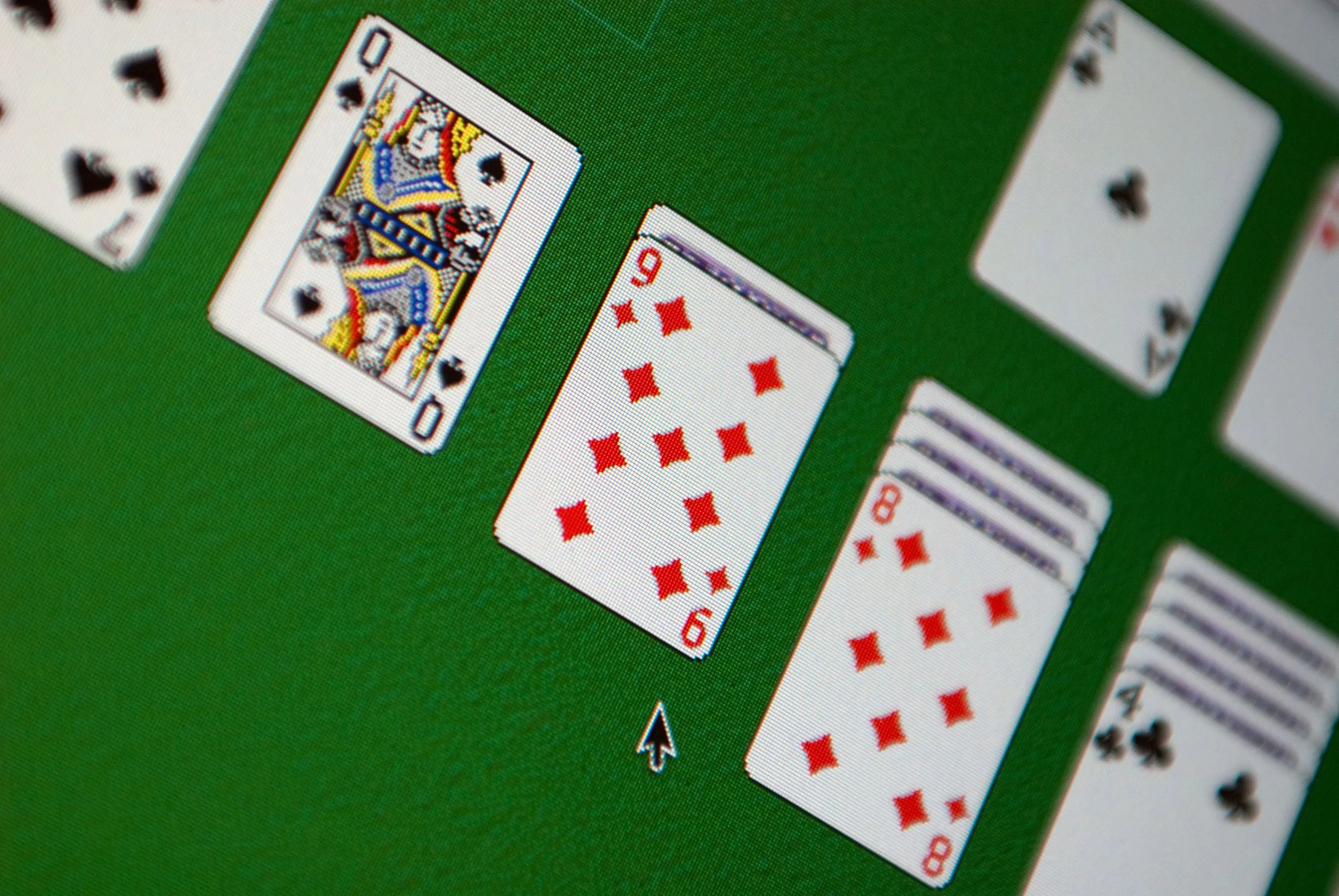
Some Forget The Real Goal Of The Game
Many players focus on short-term moves and forget the main goal of building complete suit sequences. This habit leads to random card shifts that feel helpful but do not support long-term progress.
A clear sense of purpose helps guide each decision and prevents wasteful moves that block future options. Before any action, a quick mental check ensures that each move supports the final objective of completed foundation piles.
Players Rush To Use the Stockpile
The stockpile feels like an easy escape when no clear move appears on the board at first glance. Quick use of this option can clutter the layout and reduce chances for better strategic decisions.
A patient review of visible cards usually reveals moves that remain hidden during a rushed approach. Save the stock for true dead ends to keep control intact.
Some Ignore Hidden Cards Instead Of Revealing Them
Hidden cards hold the key to progress, yet many players fail to uncover them at the right moment. This mistake limits available moves and traps useful sequences under layers of face-down cards.
A focus on exposure brings new opportunities and increases flexibility across all columns. Each revealed card adds valuable insight that supports smarter choices.
Players Depend Too Much On Hints
Hints can provide guidance, yet overuse weakens personal judgment and reduces awareness of deeper strategies.
Dependence on automated suggestions creates a habit where players follow directions without a clear understanding of the reasoning behind moves.
Independent thinking builds skills like logical reasoning, pattern recognition, and decision making, and reveals patterns that hints may miss. Limited use of hints supports growth while still allowing assistance during difficult moments.
Players Move Cards To The Foundation Too Soon
Early transfer of cards to the foundation may feel correct, yet it can remove useful options from active play. Mid-range cards serve as connectors that help reveal hidden cards and reorganize blocked sequences across columns.
Premature placement reduces flexibility and may trap other cards that depend on those values for movement. Careful timing ensures that each card leaves the tableau only when it no longer supports useful rearrangement.
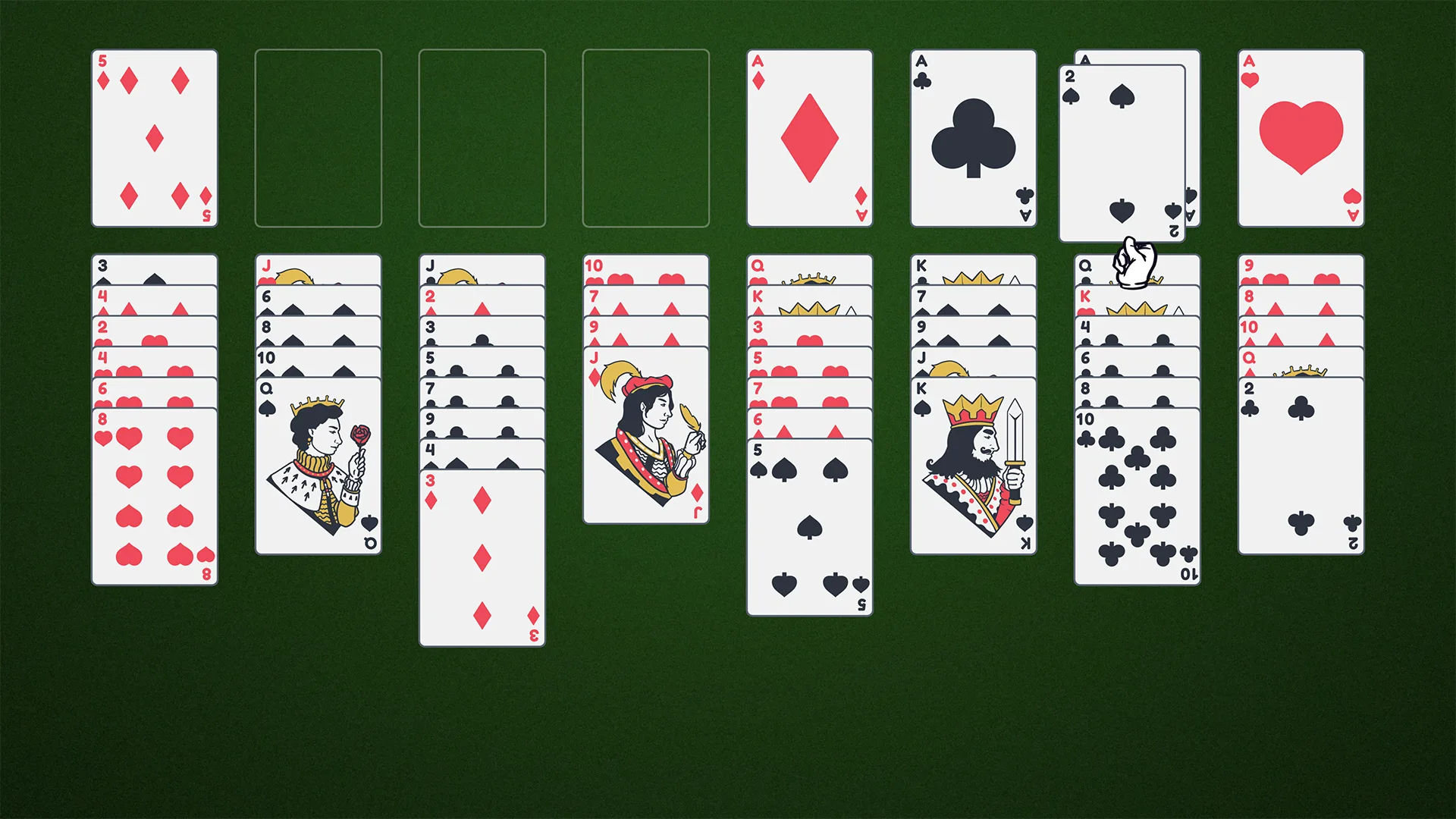
Some Fail To Plan Ahead
Impulsive moves create short bursts of progress but lead to difficult situations. A thoughtful approach allows players to see multiple steps ahead.
Every move should consider possible outcomes and how it affects the structure of the remaining cards on the board.
A few seconds of planning can prevent major setbacks and support smoother progress toward a complete and clean finish.
Success in digital card games like Solitaire relies more on strategic thinking than chance. Avoiding these common mistakes improves control and consistency, while refining your approach builds confidence.
As these habits develop, your ability to recognize patterns within the layout becomes sharper, making even challenging games more manageable and leading to more consistent wins.