
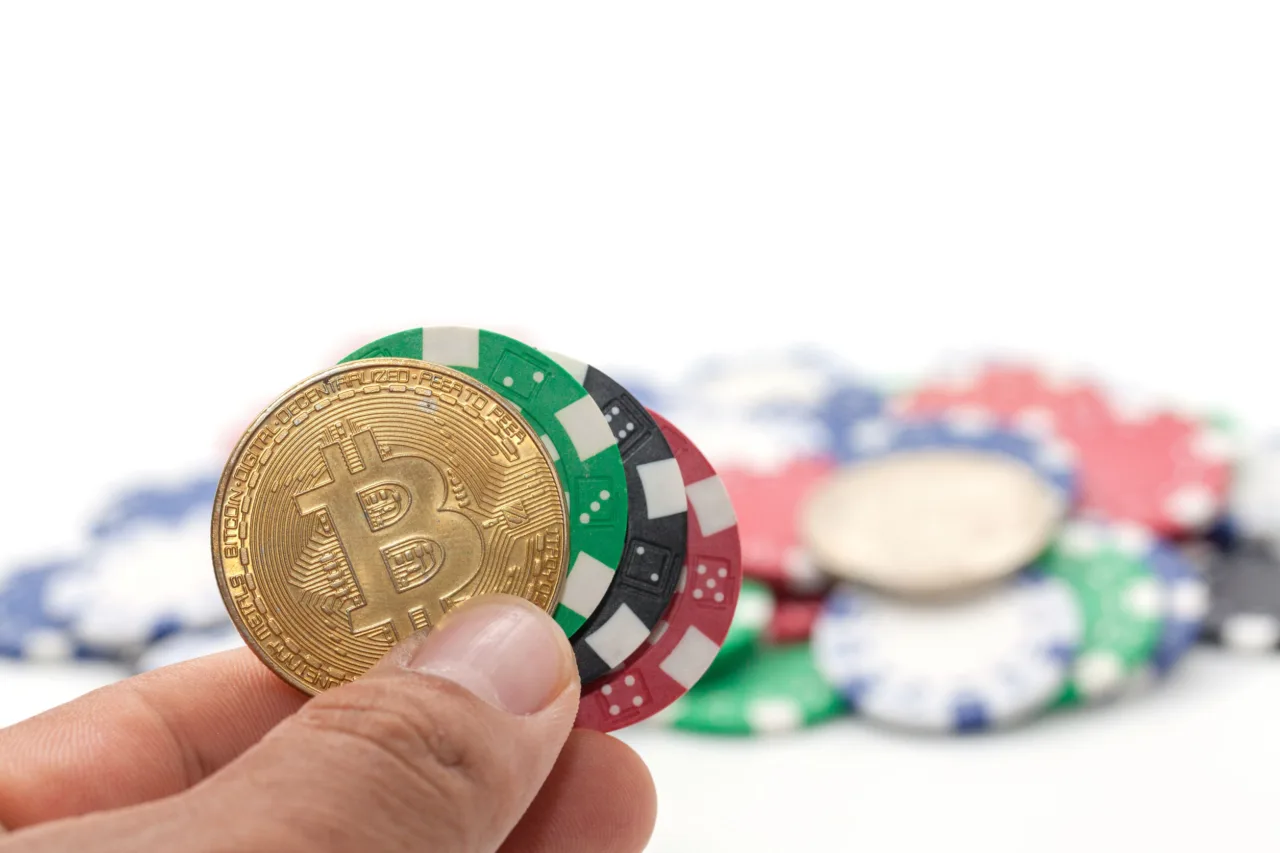
Cryptocurrency adoption in online gambling has accelerated significantly. What started as a Bitcoin-only niche has expanded into a multi-coin ecosystem where players transact in everything from stablecoins to privacy-focused altcoins.
Speed, transaction cost, anonymity, and blockchain stability all factor into which coins make it onto a platform’s payment page.
Bitcoin: The Default, Not Always the Best
Bitcoin remains the most widely accepted cryptocurrency across online casinos, largely by default. Its name recognition means players expect to find it, and its liquidity makes on- and off-ramp processes straightforward for operators.
Its practical limitations — slower confirmation times during congestion and variable fees — have pushed many platforms to treat it as one option among several rather than the primary payment method.
For high-volume or frequent small deposits, Bitcoin’s fee structure works against players. Casinos that cater to regular depositors have responded by expanding into faster, cheaper alternatives rather than relying on Bitcoin alone.
Ethereum: Smart Contracts and Provably Fair Gaming
Ethereum occupies a distinct position in casino payments because of what its blockchain enables beyond simple transfers.
Smart contracts allow casinos to build provably fair game mechanics directly into the transaction layer, meaning outcomes can be independently verified by players. This has made Ethereum the preferred blockchain for a growing category of decentralized casino platforms.
As a payment method, Ethereum processes faster than Bitcoin under normal network conditions and is accepted at most crypto-friendly casinos.
Its main drawback is gas fee volatility — transaction costs that can spike sharply during periods of high network demand.
Litecoin and Bitcoin Cash: The Practical Workhorses
Litecoin was designed to address Bitcoin’s speed and fee limitations and has found a reliable niche in casino payments as a result.
Transactions confirm in roughly two and a half minutes, fees remain consistently low, and for straightforward deposits and withdrawals, it performs well.
Bitcoin Cash emerged from a 2017 hard fork with larger block sizes, enabling faster and cheaper transactions.
For casino operators, both Litecoin and Bitcoin Cash serve the same function: a reliable mid-tier option for players who want crypto speed without Bitcoin’s fee overhead.
Tether and USDC: Stablecoins Change the Risk Equation
Stablecoins have become one of the most significant developments in casino crypto payments. Tether (USDT) and USD Coin (USDC) are pegged to the US dollar, eliminating the risk of a deposit losing value between funding an account and placing a bet, while simplifying accounting for operators.
A number of well-established online casinos now list USDT as their primary or most actively used cryptocurrency precisely because it removes the volatility problem entirely.
Among crypto-enabled platforms, Altaris Casino accepts USDT alongside other major cryptocurrencies, reflecting the broader industry shift toward stablecoin-first payment options for players who want crypto convenience without price risk.
Ripple (XRP) and Solana: Speed-First Alternatives
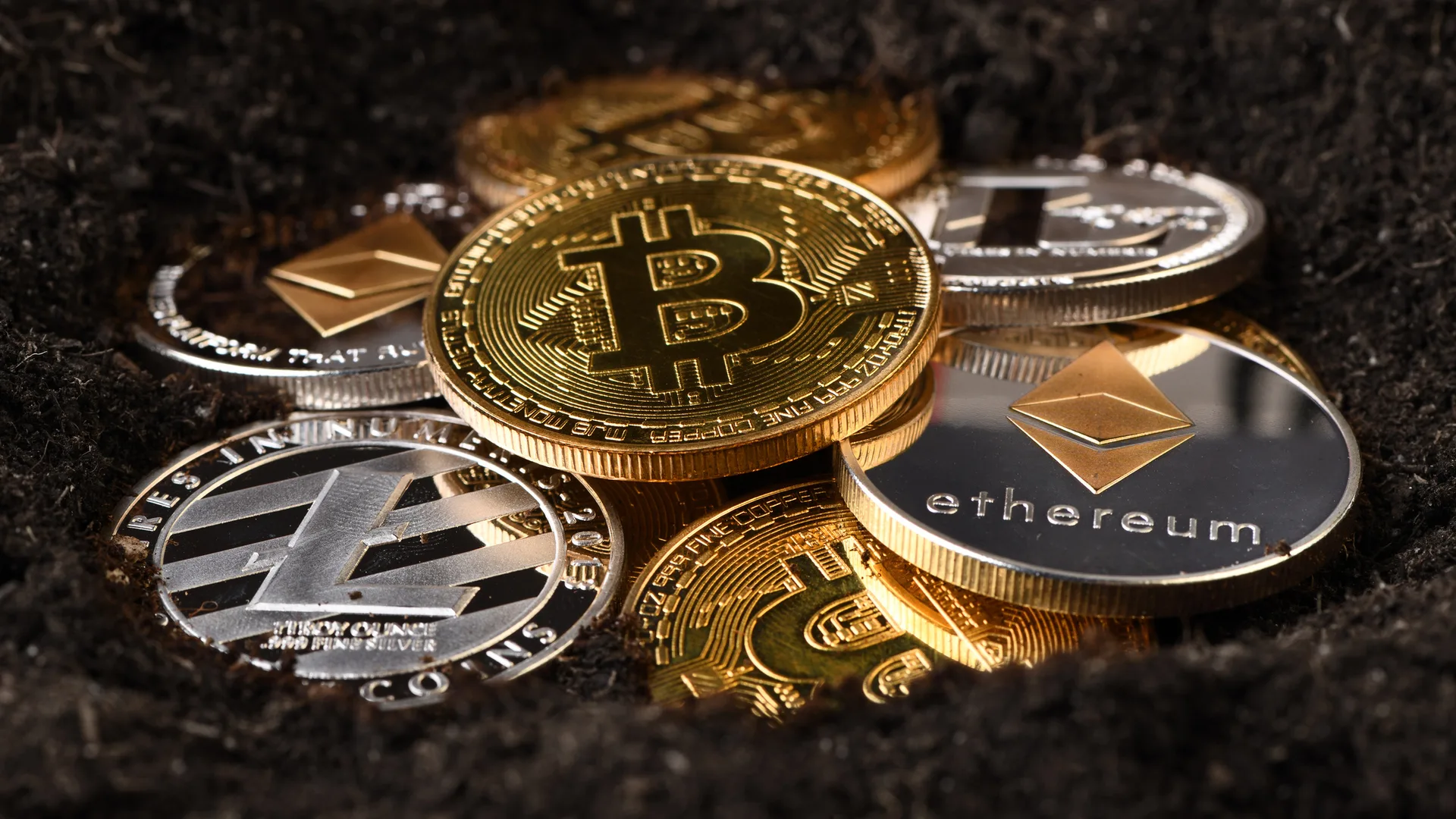
XRP processes transactions in seconds at negligible cost, making it one of the most efficient payment rails for casino deposits and withdrawals. Its adoption in online gambling has grown steadily among platforms where transaction speed is a priority.
Solana has emerged as a high-throughput alternative capable of processing thousands of transactions per second with fees in fractions of a cent.
Its adoption in gambling is still growing, but its speed, low cost, and active gaming ecosystem make it a strong candidate for broader casino integration.
How Casino Cryptocurrencies Compare?
The table below summarizes the key payment characteristics of the most commonly used cryptocurrencies at online casinos.
| Cryptocurrency | Confirmation Speed | Typical Fee | Key Casino Advantage |
| Bitcoin (BTC) | 10+ minutes | The variable can be high | Universal acceptance, liquidity |
| Ethereum (ETH) | ~15 seconds | Variable (gas fees) | Smart contracts, provably fair |
| Litecoin (LTC) | ~2.5 minutes | Very low | Fast, low-cost Bitcoin alternative |
| Bitcoin Cash (BCH) | ~10 minutes | Very low | Bitcoin familiarity, lower fees |
| Tether (USDT) | Varies by chain | Low | No price volatility |
| XRP | 3–5 seconds | Negligible | Near-instant settlement |
| Solana (SOL) | <1 second | Negligible | High throughput, growing ecosystem |
What Players Should Look for in Casino Crypto Options
The right cryptocurrency for casino use depends on priorities. Those wanting stability should look for USDT or USDC support.
Those who want fast withdrawals benefit from XRP or Solana. Players interested in provably fair mechanics should look for Ethereum-based platforms.
For the widest compatibility, Bitcoin is accepted almost everywhere.
- Check withdrawal processing times, not just deposit speed — some platforms process crypto deposits instantly, but batch withdrawals.
- Confirm whether the platform uses a specific blockchain version for stablecoins — USDT runs on multiple chains with different fee structures
- Look for minimum and maximum deposit amounts per cryptocurrency, which vary significantly across platforms.
The cryptocurrency landscape in online gambling is no longer dominated by a single coin. The diversity of options now available reflects both the maturation of the market and the practical reality that different players have different priorities when it comes to how they move money.