
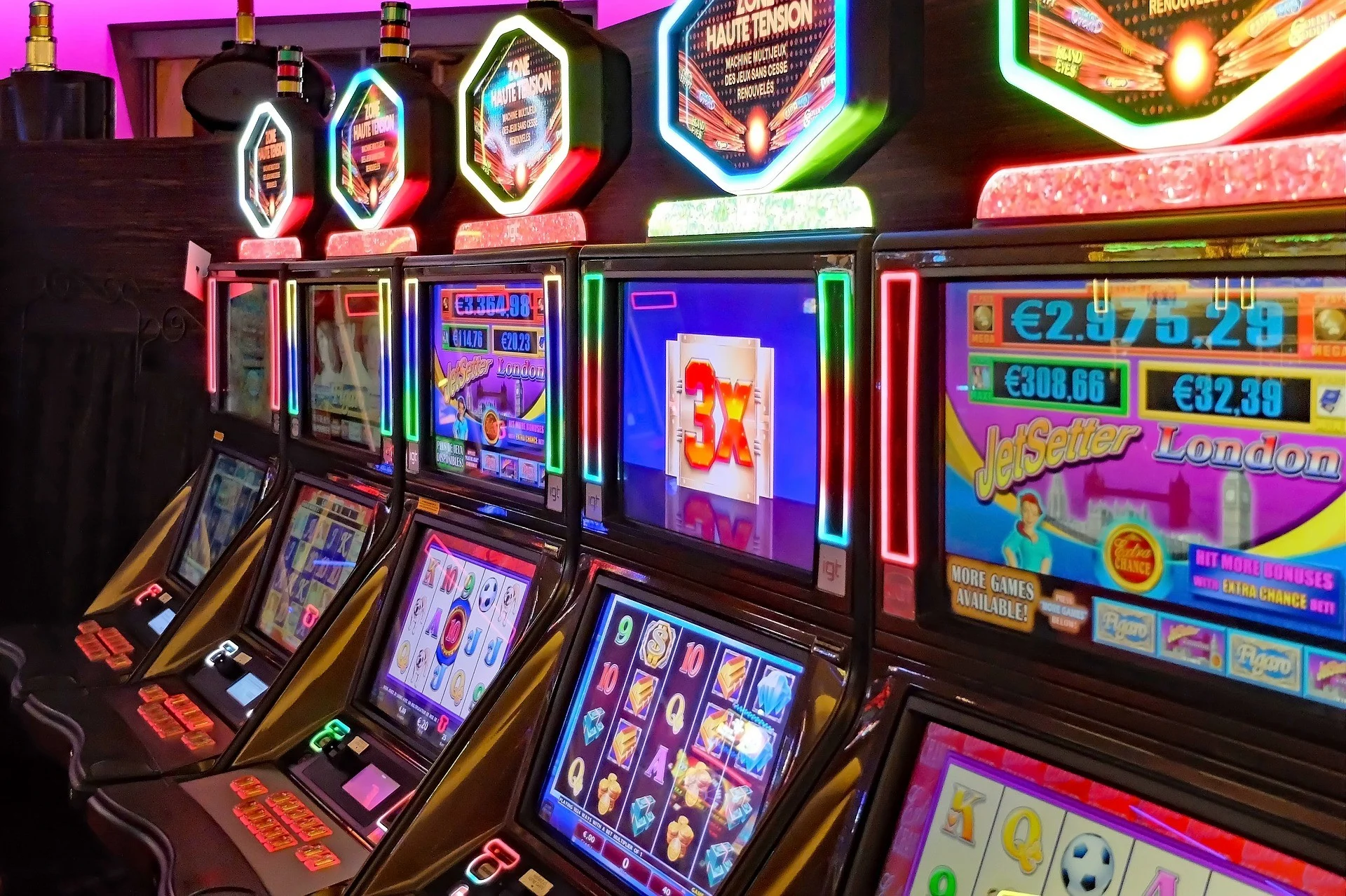
For about ninety years, slot machines worked the same way. You spun reels, matched symbols across a fixed line from left to right, and a paytable converted that line into a payout.
The number of paylines crept upward over the decades — from one to five to twenty to several hundred — but the underlying logic never changed.
Then in March 2016, a single NetEnt release called Aloha! Cluster Pays threw the framework out and replaced it with something closer to Candy Crush than to a Las Vegas one-armed bandit.
Less than a decade later, traditional paylines have become the rare exception, and grid-based cluster pays slots dominate nearly every major online casino lobby.
The shift is one of the cleaner mechanical revolutions in modern entertainment software, and it happened with almost no public fanfare.
The Anatomy of a Cluster Pay
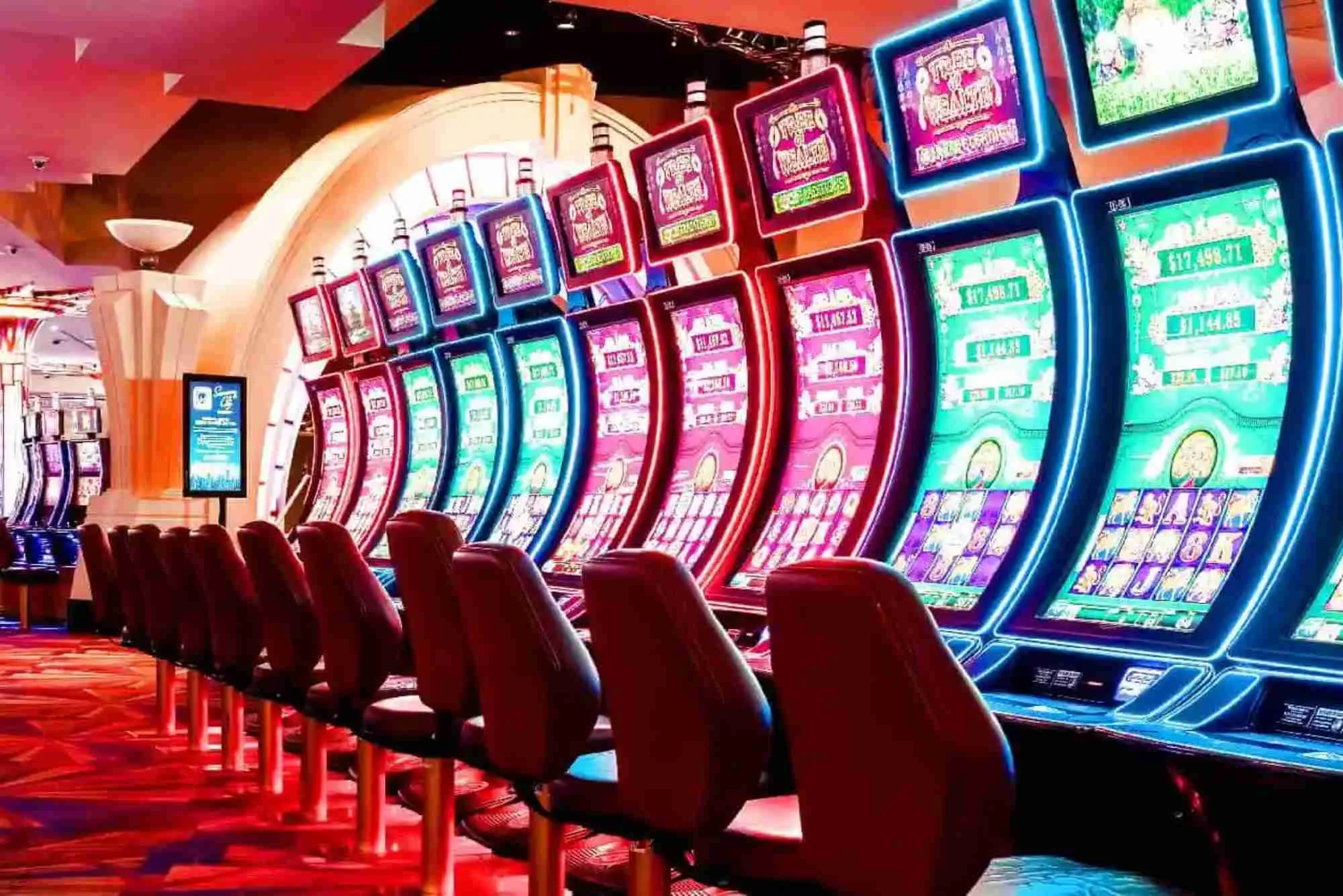
A cluster pays slot abandons the line entirely. The game runs on a rectangular grid — 6×5, 7×7, 8×8, sometimes larger — and a win is formed when a minimum number of matching symbols (typically five to nine) connect to each other horizontally or vertically.
The bigger the cluster, the bigger the payout. Cascading or “tumbling” reels then remove the winning symbols and drop new ones in from above, often producing chained wins from a single spin.
There are no leftmost-reel rules, no payline diagrams to memorize, and no need to understand a 25-line betting structure to know whether a spin paid out. If symbols light up, you won. If they don’t, you didn’t. The simplicity is the point.
The player gets immediate, visual, intuitive feedback in a way the older format never delivered, and the cascading mechanic gives a single spin the dopamine hit of multiple consecutive wins instead of one binary outcome.
The 2016 Aloha! Cluster Pays Revolution
NetEnt didn’t invent cluster mechanics — match-three games and Bejeweled-style puzzles had been around for years. What NetEnt did was port the grammar of those games into the slot economics that operators already trusted, with regulator-tested RNG outputs and audited RTP.
Aloha! Cluster Pays launched on a 6×5 Hawaiian-themed grid that required nine or more matching symbols to connect for a win, with cascading replacements and a free spins bonus.
| Game | Studio | Year | Grid | Mechanic Notes |
| Aloha! Cluster Pays | NetEnt | 2016 | 6×5 | First cluster slot; sticky win respins |
| Reactoonz | Play’n GO | 2017 | 7×7 | Cascading clusters; Quantum Leap bonus |
| Jammin’ Jars | Push Gaming | 2018 | 8×8 | 20,000x max win; cluster + multipliers |
| Sweet Bonanza | Pragmatic Play | 2019 | 6×5 | Scatter Pays variant; 21,175x max win |
| Gems Bonanza | Pragmatic Play | 2020 | 8×8 | Gold Fever bonus; cluster cascades |
| Hand of Anubis | Hacksaw Gaming | 2022 | Variable | Cluster pays with multiplier ladders |
Each title built on the last. By the time Sweet Bonanza launched in 2019, the format had effectively become its own genre, and Pragmatic Play turned it into the highest-volume franchise in modern iGaming.
Why Players Adopted It So Fast?
The format succeeded because it solved problems that paylines couldn’t. The first problem was screen real estate.
Mobile gambling overtook desktop somewhere between 2020 and 2022 — by 2024, EGBA and H2 Gambling Capital data showed mobile accounting for around 58% of European online gambling revenue, with the global figure expected to pass 60% by the end of 2025.
A 25-line traditional slot is hard to read on a phone. A 6×5 grid with cascading symbols isn’t. The second problem was attention span: cascading wins keep the action going inside a single bet, where a payline slot offered one verdict per spin. The third was comprehension — new players don’t need a tutorial to understand “match more, win more.”
Online lobbies on platforms like https://fieryplay.com/en reflect the shift in their slot catalogs, where grid-based titles from Pragmatic Play, Play’n GO, NetEnt, Push Gaming, and Hacksaw Gaming heavily outweigh the traditional five-reel offerings that dominated the previous decade.
The Math Underneath the Eye Candy
The visual difference between cluster slots and payline slots is dramatic, but the underlying math follows the same regulatory standards every licensed slot has always followed. A few specific math points worth understanding:
- Aloha! Cluster Pays carries an RTP between roughly 94% and 96.4%, depending on the operator’s configuration; the original certified version sits around 96.42%.
- Sweet Bonanza ships with an RTP of 96.5% and a maximum win of 21,175x the bet, with a high-volatility profile that has made it a genre benchmark.
- Reactoonz, on its 7×7 grid, has multiple configurable RTP tiers ranging from roughly 84% to 96%, with operators in regulated markets typically deploying the upper end.
- Jammin’ Jars uses an 8×8 grid with cluster cascades that can theoretically reach 20,000x the bet, with multipliers that climb during continuous chains.
- Cluster volatility skews high — short losing stretches followed by occasional dramatic cascades — which appeals to the same audience that drives the popularity of bonus-buy features.
The combined picture is a category that produces longer average session times, higher engagement metrics, and the highest player-loyalty numbers of any slot subgenre in circulation.
The Future of the Format
The grid slot category isn’t standing still. Pragmatic Play’s Sweet Rush Bonanza and similar 2025 releases combine cluster pays with localized multiplier zones, where repeated hits on the same grid positions stack up bonuses.
Hacksaw Gaming’s experiments with hybrid Blitzways mechanics have produced grids with up to 16,807 ways to win blended into the cluster framework.
The real legacy of Aloha! Cluster Pays isn’t the game itself — it’s that the slot industry collectively realized players wanted faster, more visual, and more intuitive feedback than the payline ever delivered, and a permanent shift in design philosophy followed.
The payline isn’t extinct, but it’s increasingly the legacy format. The grid is the present, and the next mechanic that displaces it will probably look as different from cluster pays as cluster pays did from the three-reel classic.